Why walking at home works
Walking is often described as basic, but basic is exactly why it is useful. You can scale the pace, shorten the session, add arm movements or take a recovery break without abandoning the workout. An indoor walking workout also removes many of the barriers that stop people from exercising: bad weather, travel time, crowded gyms and the feeling that everyone is watching. When the plan is waiting in your living room, the first step becomes much easier.
Weight loss is influenced by your overall food intake, sleep, stress, daily activity and consistency, not by one dramatic workout. A fun walking workout can support that bigger picture by helping you spend more energy and make movement part of normal life. Think of the session as one comfortable contribution to your week rather than a test you have to pass. The goal is a routine that leaves enough energy for tomorrow.
The 20-minute structure
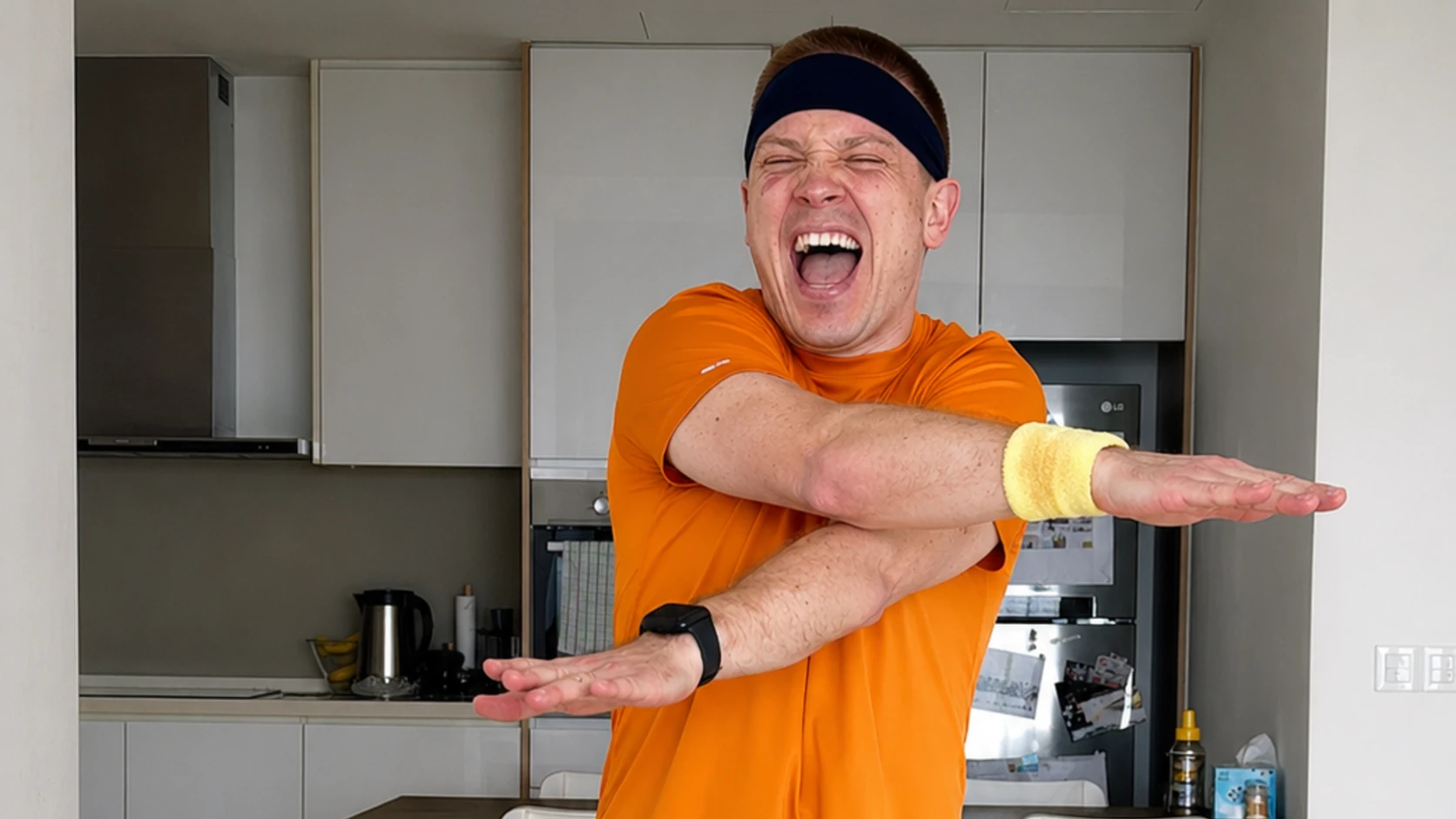
Use this simple structure for a 20-minute walking workout at home. Start with three minutes of easy marching in place. Keep your shoulders relaxed, let your arms swing naturally and focus on breathing smoothly. For the next five minutes, use a steady side-to-side walk: step right, bring the left foot in, then change direction. Add a gentle arm reach at shoulder height if it feels comfortable. The movement should feel purposeful, not rushed.
In the middle eight minutes, alternate one minute of brisk walking with one minute of comfortable walking. During the brisk minute, make your steps a little quicker, drive the elbows back and keep your posture tall. During the easier minute, bring the pace down while staying in motion. Finish with four minutes of gradually slower steps, relaxed shoulder rolls and easy reaches. You can follow a guided video or use a playlist, but the rhythm should help you feel present rather than pressured.
How to make the workout more effective
The simplest way to make an indoor walk more challenging is to change one variable at a time. Increase the pace for a short interval, make the arm swing more deliberate or add a slightly bigger step to the side. You can also use a light knee lift, a heel tap or a forward-and-back step. These choices bring more of your body into the movement while keeping the workout low impact. You do not need to turn every minute into maximum effort.
Keep the quality of the movement higher than the speed. Place the foot softly, avoid locking the knees and let the hips move naturally. If your shoulders rise toward your ears, slow down and reset. A walking workout is not improved by making your breathing chaotic or by forcing a range of motion that feels uncomfortable. The most useful intensity is the level you can control and repeat.
A no-jumping plan for small spaces
No jumping does not mean no workout. You can create a satisfying cardio session with marching, step touches, heel digs, knee lifts and purposeful arm patterns. Keep each move grounded and use a smooth transition between them. If your room is narrow, stay in place and imagine that you are walking along a bright line on the floor. If you have more space, take four or five steps forward and then return. The routine can be adapted to a kitchen, bedroom or office break area.
Clear the floor before you begin, especially if you are stepping around furniture. Wear shoes that feel stable and keep water nearby. If you are new to exercise, begin with ten or fifteen minutes and build toward twenty. For anyone with a health condition, persistent pain or uncertainty about exercise intensity, a qualified medical professional can help you choose an appropriate starting point.
What progress can look like
Progress is not only a lower number on a scale. You may notice that a familiar walk feels easier, that your breathing settles faster or that you have more confidence starting a session. You may also find that you choose the stairs, take a short movement break or recover from a stressful day more comfortably. These small changes matter because they make an active lifestyle more realistic.
Track a few simple signals for four weeks: how often you moved, how long the session lasted and how you felt before and after. Do not judge every workout by calories. A five-minute walk on a difficult day can keep the habit alive. A longer session on a high-energy day can build capacity. Both belong in a sustainable plan.
Try it with Dopamine Steps
Dopamine Steps workouts are designed around this idea: movement can be useful without feeling like punishment. The sessions use music, walking patterns, simple arm movements and playful themes so you can focus on the next step instead of worrying about perfect form. Choose a 15-, 20- or 30-minute video, make a little room and start at a pace that feels welcoming.
If you finish with a little more energy or a slightly brighter mood, the workout has done something valuable. Come back when you can, repeat the sessions you enjoy and let consistency grow from a positive experience. Your indoor walking workout does not need to be dramatic. It only needs to be a step you are willing to take again.
Small questions that make the plan personal
Ask yourself when you are most likely to move. Some people enjoy a morning walk because it clears the mental fog before the day begins. Others prefer an afternoon reset or a short session after dinner. There is no scientifically perfect time that makes the workout count more. The best time is the one that fits your real schedule often enough to become familiar.
Ask what kind of instruction helps you. You may want a follow-along video that keeps the pace moving, or you may prefer to choose your own music and repeat a simple sequence. You may enjoy a clear countdown, a step target or a playful theme. The format is part of the habit, so choose the format that makes the next session feel inviting.
Ask how much space you really need. Many indoor walking workouts can be done in a small area with marching, step touches and arm movements. You do not need to walk across a large room to get started. Make the space safe, keep the steps compact and let the workout expand only if the room and your comfort allow it.
Ask what you can do on a low-energy day. A shorter version, slower pace or simple march may be the right answer. Having a low-energy option prevents an all-or-nothing mindset. You can protect the routine without forcing intensity. When energy returns, you will still have the familiar starting point waiting for you.
Ask what success feels like after the workout. It might be a clearer head, warmer muscles, a calmer transition into the evening or the quiet pride of keeping a promise to yourself. These outcomes are useful feedback. They help you choose movement because it gives something back, not because you are trying to earn rest or food.
Finally, ask whether your plan is kind enough to repeat. If it leaves you dreading the next session, adjust the pace, duration, music or movement. A sustainable walking workout can be challenging, but it should not make you feel punished. Keep experimenting until the routine feels like a practical form of self-respect.