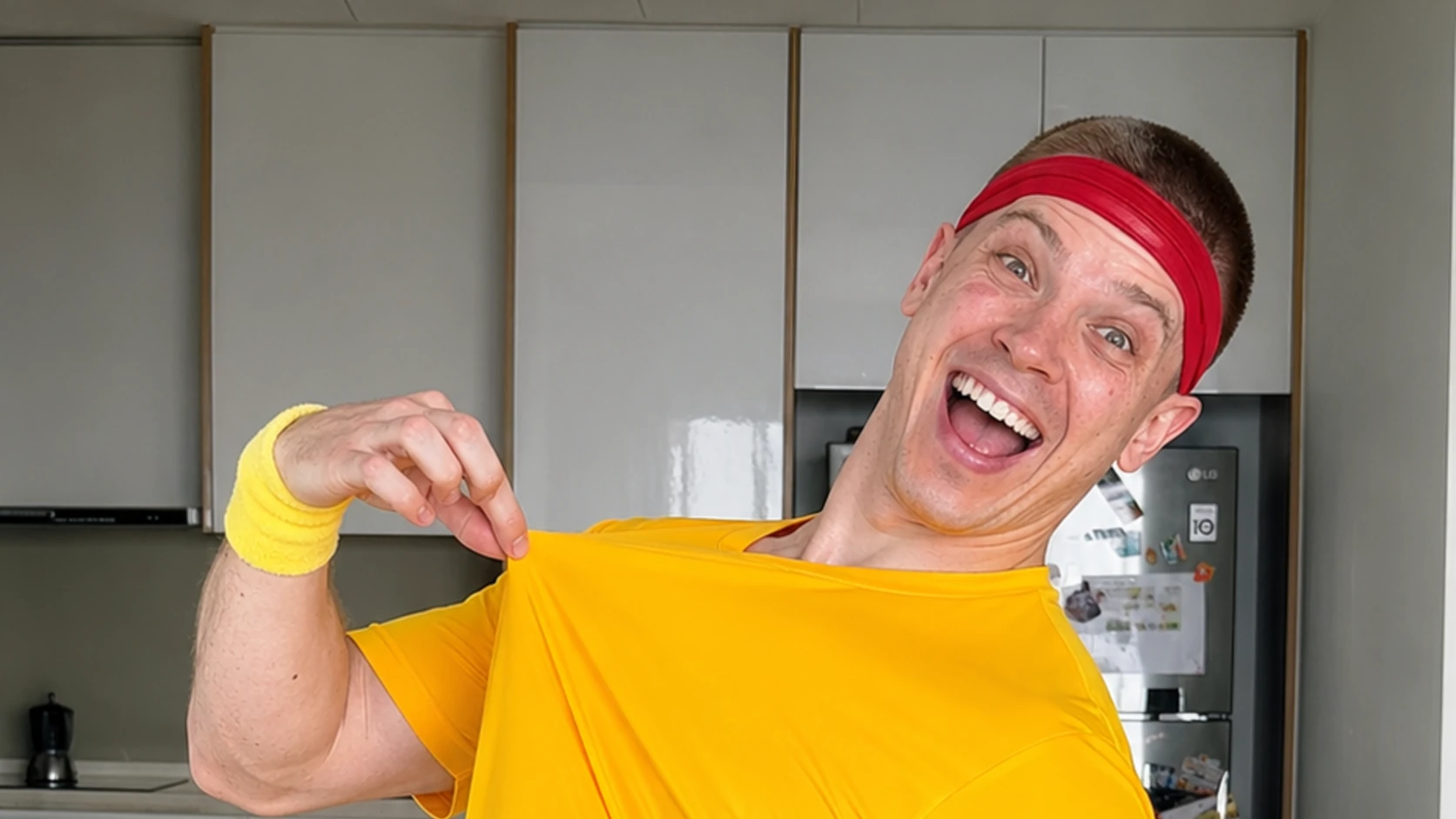
Why beginners can start with ten minutes
A short session reduces the mental effort of beginning. You can fit it between tasks, before a shower or during a break from sitting. Ten minutes is not a promise of instant transformation; it is a manageable amount of time in which you can practice showing up and moving with attention.
The first goal is familiarity. You are learning how marching feels, how quickly your breathing changes and which movements you enjoy. That information helps you choose future workouts. A small session that you repeat is more useful than a long session that makes you avoid exercise for the rest of the week.
Prepare for an easy start
Wear something comfortable, clear a small area and keep your feet supported. If you are exercising on a hard floor, shoes may feel more secure. Place a chair or wall nearby if you want optional balance support, but keep the movement controlled and do not use an unstable object to pull yourself through a step.
Choose a video or playlist before you begin so the decision is already made. If you lose track of the sequence, return to an easy march. A beginner workout should always have a simple fallback. You are allowed to make the movement smaller, slower or less complicated whenever you need to.
Your 10-minute beginner routine
March easily for two minutes, letting your arms swing naturally. Use the next two minutes for side steps: step right, bring the feet together, then step left. Spend two minutes alternating heel digs with a comfortable march. Keep the range small and focus on placing the feet deliberately.
For the next two minutes, alternate twenty seconds of a slightly quicker march with twenty seconds of relaxed marching. Finish with two minutes of slower steps and calm breathing. If ten minutes feels too long today, stop after the first five and return another day. If it feels easy after several sessions, add one short brisk interval.
Find a comfortable pace
You should feel warmer and breathe more deeply, but you should still be able to say a short sentence. If you are gasping, slow down, reduce the arm movement or return to a relaxed march. If discomfort appears in a joint, change the pattern or stop rather than trying to push through it.
Your pace may be different every time you work out. Sleep, stress and energy affect how a routine feels. A slower beginner walking workout is still useful because it protects the habit. Let today’s capacity guide today’s version instead of comparing it with someone else’s speed.
What to do after the ten minutes
Take a moment to notice how you feel, not just how hard the workout was. Did your breathing settle quickly? Did one pattern feel especially comfortable? Did music help you continue? These observations can make the next session more personal and easier to choose.
Drink water and return to your normal day. You do not need a complicated recovery ritual for a short walk. If you feel good tomorrow, repeat the same routine before adding anything. Familiarity builds confidence, and confidence makes the next start feel lighter.
Build the habit one session at a time
Aim for two or three ten-minute sessions during your first week, with rest or gentle movement between them. In the following week, repeat a favorite session and try a 15-minute option if your recovery has been comfortable. Add time gradually rather than treating every workout as a chance to prove yourself.
Dopamine Steps combines indoor walking, simple low-impact patterns and music-led encouragement for people who want movement to feel welcoming. Press play for ten minutes, take the smallest version that works today and let your beginner routine become something you can come back to.