What 2,000 steps can mean
A 2,000-step session can look different for every person because stride length, pace and device placement vary. For some people it may take around twenty minutes; for others it may take longer. Use the number as a flexible target, not a universal timer. A shorter walk still counts when the tracker misses steps.
The purpose of the goal is to give your indoor movement a shape. It can be a mid-day reset, a short cardio block or a way to add activity on a day when going outside is not convenient. Choose a pace that lets you continue without losing control.
Break the target into four blocks
Start with four blocks of roughly five hundred steps, or use four five-minute blocks as an approximation. Begin with easy marching, then move into side steps and heel digs. After each block, take a short water break if needed. Dividing the goal makes the next action feel smaller and gives you natural points to check your energy.
You can also use two ten-minute walks instead of one continuous workout. One block before breakfast and one later in the day may fit more naturally than trying to protect one uninterrupted period. The best structure is the one you can use consistently.
A music-led 2,000-step plan
For the first song, march easily and let your body warm up. During the second song, alternate side steps and heel digs. Use the third song for thirty-second brisk intervals followed by thirty seconds of comfortable marching. Then repeat the pattern with smaller or larger arm movements depending on how you feel.
Finish with a slower song and relaxed walking. If the counter is slightly below 2,000, do not rush to force the exact number. Add a calm minute or make the next session a little longer. A device estimate should support your routine, not make you ignore your body.
Keep indoor steps interesting
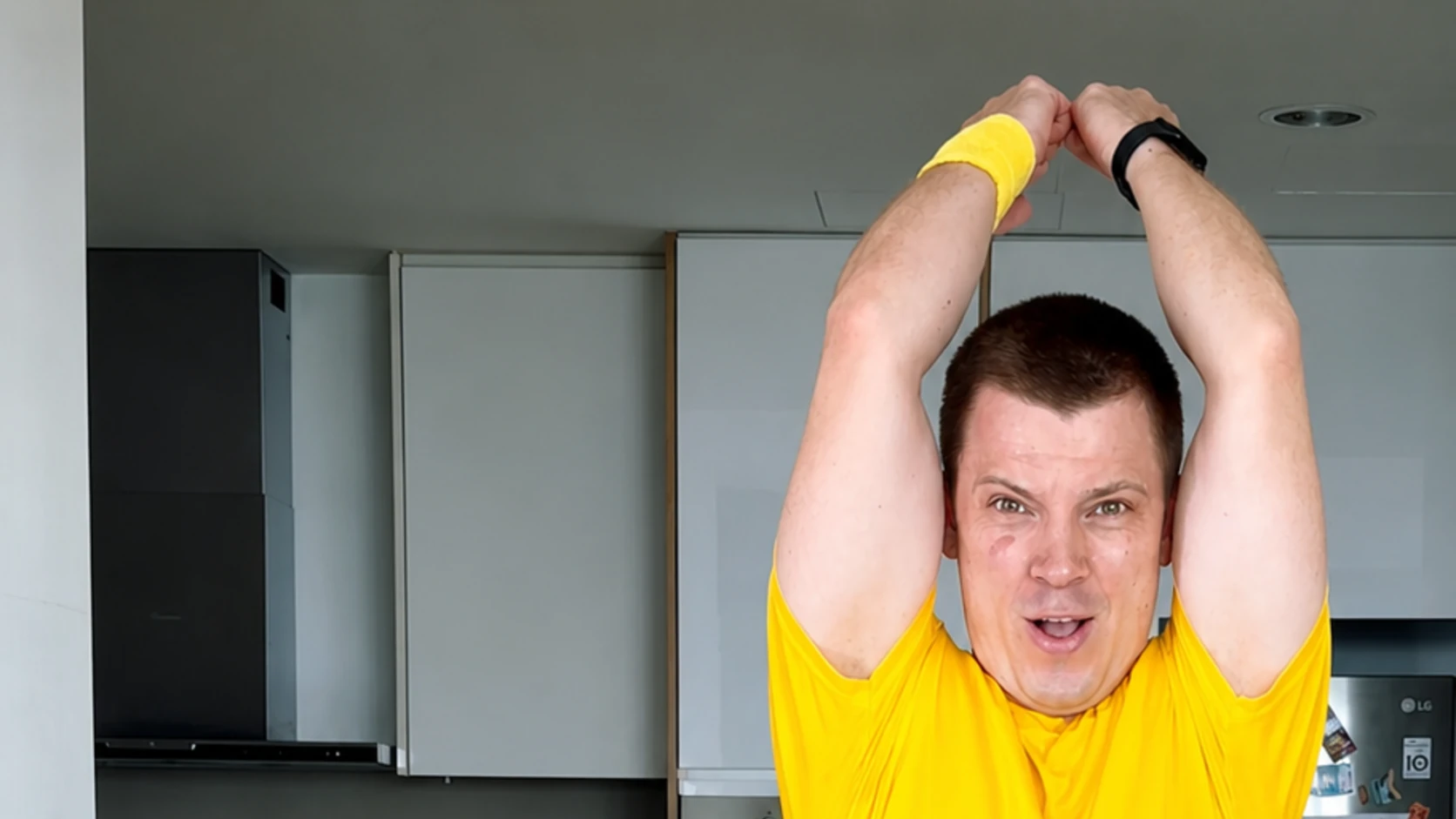
Change one thing at a time: the playlist, the order of movements or the length of the brisk intervals. You can walk forward and back in a hallway, or stay in place and use compact patterns in a small room. Gentle reaches and elbow pulls give your upper body something to do without requiring weights.
If the workout starts to feel repetitive, return to the reason you chose it. Maybe you want a break from sitting, a little more energy or a way to practice a habit. The number is a guide, but the change of state is part of the value.
When to choose fewer or more steps
On a low-energy day, choose 500 or 1,000 steps and finish while you still feel comfortable. On a higher-energy day, add a third block or choose a longer workout. Gradual increases help your feet, calves and hips adapt. You do not have to reach the same target every day for the habit to remain useful.
If you experience pain, dizziness, unusual shortness of breath or another concerning symptom, stop and seek appropriate guidance. Step targets are not more important than your wellbeing. A flexible goal is successful when it helps you move safely and return with confidence.
Build a weekly step habit
Try a 2,000-step indoor walk on two or three days, then use shorter movement breaks on other days. Combine it with outdoor walking when the weather is good, but keep the indoor option available for busy or difficult days. This prevents one missed walk from becoming an all-or-nothing pause.
Dopamine Steps turns step goals into music-led routines with simple movements and a welcoming pace. Press play, let the next block be your only focus and allow the count to grow without pressure. Two thousand steps can be a useful invitation to move, not a score you have to defend.